Professional Development
Ongoing Professional Development
OUR APPROACH
Our customizable professional development workshops are designed to engage educators in dialogue and learning about essential topics related to social-emotional learning and inclusion. We offer a range of programs to elevate educators’ knowledge and practice for supporting students.
OUR OUTCOMES
Through strategic partnership, we build lasting capacity within classrooms, across campuses, and throughout school communities.
 Develop
Common
Knowledge
Change
Mindsets
Ignite
Action
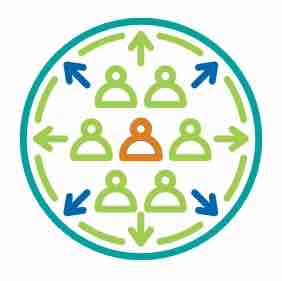
Build
Sustainable
Systems
DELIVERY FORMATS
• In-person and virtual single workshops
• In-person and virtual workshops series
• Half-day or full-day options
• Keynote presentations
WORKSHOPS
Social-Emotional Learning
Inclusion
The Value of Acknowledging: Relationships, Behavior, & Emotions
Strong relationships are critical for students’ emotional and academic success. This workshop emphasizes the importance of understanding and interpreting behavioral changes as indicators of students’ emotional needs. Educators will learn how to build meaningful connections, provide timely interventions, and support social-emotional development. By prioritizing building strong relationships with students, educators can continue to create a safe, nurturing environment where students feel supported, valued, and ready to learn and grow to their full potential.
View ProjectInclusive and Proactive Mindfulness in Schools that Meet All Students’ Needs
Mindfulness and SEL are essential for fostering emotional well-being in all students. This workshop focuses on using these tools proactively to prevent and manage crises while ensuring accessibility for students with 504 plans or IEPs. Participants will engage in authentic discussions about equity, intersectionality, and inclusivity, gaining strategies to address diverse needs. By integrating mindfulness into school practices, educators can build inclusive environments that promote resilience, emotional regulation, and meaningful social-emotional growth.
View ProjectBehavior Management
Proactive behavior management lays the groundwork for students to thrive socially and emotionally. This workshop delves into the impact of trauma on student behavior, teaching the ABCs of behavior to uncover underlying causes. Participants will explore proactive strategies that are practical and immediately applicable, empowering them to foster positive behaviors in their classrooms. By creating supportive, structured learning environments, educators can help students build resilience, manage emotions, and engage more effectively in their education.
View ProjectTransform Your Classroom: Build a Community of Respect and Repair with Restorative Practices
Restorative practices can transform classroom culture by centering accountability, empathy, and community repair. This workshop provides practical strategies for implementing restorative circles, reflection processes, and conflict resolution tools. Participants will examine how restorative approaches shift discipline from punishment to learning. By building consistent restorative structures, educators will create classrooms where relationships are strengthened and challenges are addressed constructively.
View ProjectIntroduction to Restorative Practices in Schools
Restorative practices provide a proactive approach to building community and addressing harm in schools. This workshop introduces the principles and foundational practices that promote accountability, empathy, and repair. Participants will explore how restorative conversations and structured dialogue strengthen relationships and reduce conflict. By integrating restorative approaches into daily routines, educators will build classroom communities grounded in respect and shared responsibility.
View ProjectBuilding Inclusive Communities To Support Social-Emotional Growth
Inclusive learning communities are vital for meaningful social-emotional growth. In this workshop, participants will reflect on their school’s practices, identifying barriers to inclusion and leveraging existing strengths. Through open dialogue and collaboration, educators will explore actionable strategies to create environments where all students feel valued and supported. By prioritizing inclusion as a component of social- emotional learning, participants will leave equipped to strengthen their school’s culture and build stronger student connections.
View ProjectBuilding Belonging: Proactive Circles in the Classroom
Proactive circles create structured opportunities for connection, voice, and shared understanding. This workshop explores how regular circle practices build trust, strengthen relationships, and prevent conflict. Participants will learn how to facilitate circles effectively and align them with instructional goals. By incorporating proactive circles into classroom routines, educators will foster inclusive environments where students feel heard, valued, and connected to their learning community.
View ProjectSEL for Complex Learners
Supporting complex learners in their social- emotional growth requires intentionality and tailored strategies. This workshop helps educators identify diverse learning needs and explore the "why” behind designing purposeful SEL approaches. Participants will gain specific tools to address the unique challenges of complex learners, ensuring all students can succeed socially, emotionally, and academically. By focusing on individualized strategies, educators will leave with practical solutions to create inclusive and supportive learning environments for every student.
View ProjectSEL Embedded as Curriculum
Social-emotional learning is a fundamental aspect of education and is most effective when seamlessly woven into daily instruction. This workshop provides educators with strategies to integrate SEL into standard curricula, ensuring it becomes a natural part of students’ learning experiences. Participants will explore case studies, practical tools, and resources while reflecting on the supports they need to succeed. By embedding SEL into their teaching, educators can create environments that nurture academic achievement, emotional growth, and positive classroom culture.
View ProjectWhat Is SEL?
Social-emotional learning equips students with the tools they need to navigate emotions, relationships, and personal growth. This workshop introduces and unpacks the five core SEL competencies, exploring their impact on academic success and overall well-being. Participants will build a common language and understanding of what social-emotional learning really is. By understanding the transformative power of SEL, educators will be prepared to create environments that nurture lifelong learning and success for all students.
View ProjectSocial-Emotional Learning: What Does It Mean for Educators?
Educators’ emotional well-being significantly influences their ability to support students’ SEL development. This workshop encourages participants to reflect on their motivations, personal wellness, and the impact of growth mindsets in teaching. Through self-reflection and discussion, educators will explore how their experiences shape classroom environments and relationships with students. By prioritizing their own emotional health, participants will gain insights and strategies to foster stronger social- emotional connections with students, ultimately enhancing their teaching effectiveness.
View ProjectEmpowering Students with Differences
Empowering students with differences builds their confidence, independence, and self-advocacy skills. This workshop highlights the importance of recognizing and celebrating individual strengths while providing practical strategies for fostering growth. Participants will explore techniques to reduce reliance on educator support, enabling students to take ownership of their learning. By creating environments that encourage resilience, self-expression, and empowerment, educators will ensure that all students thrive, regardless of their challenges or abilities.
View ProjectConnecting People & Systems for Inclusion
Inclusive education is most effective when frameworks work together rather than in isolation. This workshop explores how Universal Design for Learning (UDL) and Multi-Tiered Systems of Support (MTSS) can be aligned to strengthen inclusive practices. Participants will examine how proactive design and responsive supports complement one another to meet diverse learner needs. By connecting these frameworks with an inclusive mindset, educators will gain practical strategies to create equitable systems that support all students.
View ProjectConnecting the Dots of UDL & the Whole Child
Educators juggle numerous responsibilities, making it essential to integrate strategies seamlessly rather than add more. Universal Design for Learning (UDL) isn’t an extra task—it’s a framework that enhances existing practices, benefiting both students and educators. This workshop will identify the ways in which UDL supports the whole child (academically, socially, and emotionally). By rethinking how UDL connects beyond academics, participants will leave inspired, educated, and motivated to create more inclusive, engaging learning environments for all students.
View ProjectWhere Do I Begin? Conversations Around Sensitive Topics
Discussing disabilities and other sensitive topics is essential for building empathy and understanding. This workshop introduces five key steps for initiating and facilitating discussions on disability in a respectful and productive way. Participants will gain tools to create safe spaces where students can explore complex issues with confidence. By using effective communication strategies, educators will be equipped to facilitate meaningful discussions that promote inclusivity and strengthen school communities.
View ProjectInclusive Education: Empathy Imprinting
Our beliefs, values, and assumptions are shaped by early experiences that often go unexamined yet influence how we connect with others. This workshop explores the concept of emotional imprinting and how it affects relationships with students and colleagues. Participants will identify their own imprints and examine how they show up in inclusive practice. With increased awareness, educators will consider how to intentionally create positive, affirming experiences that foster belonging, empathy, and inclusive learning environments for all students.
View ProjectInclusive Education: A Deep Dive into Social Inclusion
Social inclusion is a vital component of building a sense of community and belonging in schools. This workshop examines strategies for fostering authentic social inclusion, including relationship- building activities, collaborative learning, and community engagement. Participants will reflect on their school’s strengths and areas for growth, gaining tools to enhance social inclusion efforts. By prioritizing social inclusion, educators can help students build meaningful relationships and create a culture of respect and acceptance.
View ProjectInclusive Education: A Deep Dive into Physical Inclusion
Physical inclusion plays a crucial role in ensuring all students can access, engage with, and feel comfortable in their learning spaces. This workshop explores the components of physical inclusion, including accessibility, sensory-friendly design, and designing for multiple opportunities. Educators will reflect on how physical spaces influence student behavior and learning while engaging in guided discussions to assess their current practices. By assessing the environments they have designed, educators can improve the physical inclusion being offered to their students.
View ProjectFacilitating Inclusive Play
Inclusive play doesn't always happen organically. Educators need to be equipped with specific tools and strategies to facilitate inclusive play between students. This workshop examines the role of inclusive play in building leadership, empathy, and connection among students. Participants will explore best practices, review case studies, and develop actionable strategies for incorporating inclusive play into their daily routines. By promoting inclusive play, educators can create environments where all students feel valued, supported, and empowered to engage with peers
View ProjectEmpathy and Sympathy: What’s the Difference?
Understanding the difference between empathy and sympathy is critical for fostering meaningful relationships and inclusive communities. This workshop delves into how empathy helps educators and students connect on a deeper level, while sympathy often creates emotional distance. Participants will reflect on their own empathy skills and learn strategies to teach empathy explicitly to students, especially through the lens of disability. By cultivating empathy, educators can nurture respect, engagement, and a sense of belonging.
View ProjectUnpacking Push-In Supports
What exactly is the push in model of inclusion? This workshop helps to build a common understanding between general education and special education teachers. Participants will unpack the various considerations for a successful implementation Through practical examples, co- teaching strategies, and planning tools, teachers will gain clear understanding of roles, instructional approaches, and structures that make push-in support successful and sustainable in today's inclusive schools.
View ProjectUnderstanding Fidgets & Flexible Seating
This workshop introduces educators to fidgets and flexible seating as tools to support diverse student needs. Participants build a shared understanding of what these tools are and how they can enhance attention, sensory regulation, and behavior when used intentionally. Educators learn to match tools to specific student needs and implement them effectively. Teachers leave with practical strategies and a clear framework for purposeful use to support learning, engagement, and independence.
View ProjectPutting Inclusive Practice into Action
Turning inclusive practices into reality requires careful planning and execution. This workshop guides educators through a step-by-step process for evaluating, designing, and implementing inclusive strategies in schools. Participants will explore best practices, share ideas, and develop actionable plans tailored to their classrooms and communities. By prioritizing collaboration and equity, educators will gain the tools and confidence needed to create truly inclusive learning environments where all students can thrive.
View ProjectParaeducators as Inclusion Partners
Paraeducators play a crucial role in building inclusive learning environments. This workshop provides an overview of inclusive education and explores how paraeducators can effectively support students and collaborate with teachers. Participants will examine strategies such as push-in and pull-out services, classroom partnerships, and promoting inclusion throughout the school day. By strengthening their role as inclusion partners, paraeducators will gain the skills and confidence to provide meaningful support to diverse learners.
View ProjectInclusive Morning Meetings
Morning meetings provide a unique opportunity to foster inclusion and build a sense of community in the classroom. This workshop explores how each element of a morning meeting—greeting, sharing, activity, and morning message—can be adapted to promote inclusivity. Participants will reflect on their practices and learn new approaches to making meetings accessible and meaningful for all students. By making morning meetings more inclusive, educators can strengthen relationships and set a positive tone for the school day.
View ProjectInclusive Education: A Deep Dive into Academic Inclusion
Academic inclusion ensures equitable access to learning opportunities for all students, regardless of their needs. This workshop examines the essential components of academic inclusion: access to content, participation, and demonstration. Educators will assess their current instructional practices, identify barriers, and explore strategies to remove obstacles and promote student success. By adopting academically inclusive approaches, educators will create learning environments that support diverse learners and improve overall academic outcomes for all students.
View ProjectFidgets in the Classroom: Tools for Focus and Self-Regulation
Fidgets can be powerful tools for supporting focus and self-regulation when used intentionally and with clear expectations. This workshop explores the purpose of fidgets, common misconceptions, and guidelines for effective classroom implementation. Participants will learn how sensory tools can support attention, regulation, and learning without becoming distractions. By establishing thoughtful structures and consistent routines, educators will gain practical strategies to use fidgets as proactive supports within inclusive classroom environments.
View ProjectWhat Is Disability Awareness?
Disability awareness fosters self-confidence and mutual respect among students, creating opportunities to celebrate individual strengths and differences. This workshop introduces the concept of disability awareness and explores its positive impact on school culture. Participants will learn strategies to incorporate disability awareness into everyday curriculum, from classroom discussions to community events. By promoting understanding and empathy, educators will create environments where all students feel valued and empowered to succeed.
View ProjectUnderstanding ADHD
ADHD is often misunderstood, leading to inconsistent support and missed opportunities for student success. This workshop builds educator understanding of ADHD characteristics, executive functioning challenges, and common misconceptions. Participants will explore strengths-based approaches and classroom strategies that promote regulation, focus, and sustained engagement. By reframing behaviors through an informed lens, educators will gain practical tools to support students with ADHD while fostering inclusive, responsive, and supportive learning environments.
View ProjectWhat is Your Inclusion Inspiration?
Inclusive practices begin with self-reflection and personal experiences. This workshop encourages educators to explore their own connections to inclusion and examine how their perspectives and past lived experiences shape their teaching approaches. Through guided conversations, participants will discuss challenges, successes, and strategies for creating more inclusive classrooms and school communities. By becoming more aware of lived experience, educators can better take meaningful action, advocate for equitable learning environments, and create lasting positive change for all students.
View ProjectUnpacking Inclusion
Inclusion involves creating environments where all students feel valued and supported across academic, physical, and social dimensions. This workshop explores these three key components of inclusion and examines strategies to remove barriers in the classroom to create greater inclusive opportunities. Participants will gain practical tools to foster diversity, equity, and belonging while ensuring that all students can fully participate in learning. By creating inclusive spaces, educators will cultivate collaboration, engagement, and meaningful opportunities for every learner.
View ProjectThe What and Why of Inclusive Communities
Inclusive communities extend beyond the classroom, encompassing all aspects of society. This workshop explores how educators can prepare students with disabilities to participate in society beyond the comforts of the school. Participants will examine examples of inclusion beyond school settings and develop strategies to empower students as active community members. By fostering inclusivity, educators will help students build the skills and confidence needed for lifelong success and meaningful participation in diverse spaces.
View ProjectThe What and Why of Inclusion
Inclusion strengthens school communities by fostering empathy, collaboration, and respect for diversity. This workshop examines academic, physical, and social inclusion, exploring strategies for ensuring all students can participate fully in their education. Participants will reflect on the benefits of inclusion for students with and without disabilities, gaining tools to create equitable opportunities. By understanding inclusion’s value, educators will be equipped with practical steps to implement it effectively in their schools.
View ProjectThe Value of Inclusive Language
Language shapes perceptions and influences behavior, making inclusive communication essential for respect and equity. This workshop explores key concepts such as person-first vs. identity-first language, asset-based communication, and ableism. Participants will reflect on their language choices and explore strategies to ensure inclusivity in school communities. By adopting more thoughtful communication practices, educators can create environments where every individual feels valued, respected, and part of a culture of belonging.
View ProjectThe Interaction between Disability and DEIB Initiatives
Disability is often overlooked in Diversity, Equity, Inclusion, and Belonging (DEIB) initiatives, despite being the largest minority group in the world. This workshop explores the intersection of disability and DEIB, examining concepts such as ableism and the role of identity in shaping inclusive practices. Participants will learn strategies to integrate disability into DEIB efforts and ensure that every student’s voice is heard. By incorporating disability awareness into DEIB initiatives, educators will be equipped to create more equitable learning environments
View ProjectAccommodations, Modifications, Differentiation
Supporting diverse learners requires clarity around accommodations, modifications, and differentiation. This workshop defines each term and explores when and how to apply them effectively in the classroom. Participants will analyze real classroom scenarios and identify strategies that maintain high expectations while providing appropriate support. By distinguishing these approaches clearly, educators will strengthen their ability to design instruction that ensures access, equity, meaningful participation, and academic growth for all students.
View ProjectAccess to Demonstration
Educators are responsible for assessing student performance, but we often overlook how students demonstrate their knowledge and the barriers they face in doing so. This workshop guides educators in identifying preexisting obstacles that may hinder students from fully expressing their learning. Participants will explore diverse and equitable strategies to offer students new ways to showcase their knowledge. By implementing these approaches, educators will create more inclusive assessment practices that empower all students to demonstrate their knowledge effectively.
View ProjectPreparing for Our Inclusion Journey
Inclusive practices require continuous reflection, planning, and collaboration. This workshop provides a roadmap for educators, administrators, and school communities to strengthen their inclusion efforts. Participants will establish common definitions, identify barriers, and set clear goals for success. They will also explore timelines and actionable strategies to guide their inclusion journey. By working toward a shared vision, educators will be equipped to create lasting and meaningful inclusive practices.
View ProjectDisability as Diversity
Disability enriches school communities and is the largest minority group worldwide. This workshop helps educators understand how students with disabilities contribute to diversity while challenging ableist perceptions. Participants will explore ways to integrate disability awareness into broader diversity efforts, including discussions on language and representation. By increasing awareness and appreciation, educators will leave with tools to ensure that disability is recognized as an integral and valued part of any school community.
View ProjectBuilding an Inclusive Mindset
An inclusive mindset is the foundation for meaningful, inclusive practices and requires reflection, commitment, and growth. This workshop helps educators assess their current mindsets and explore ideas such as ableism, the medical vs. social model of disability, and the core elements of an inclusive mindset. Through discussions and practical exercises, participants will learn how to transition from intention to action. By embracing inclusivity, educators will create environments that foster diversity, equity, and a strong sense of belonging for all learners.
View ProjectPerson-First Language
Person-first language places the individual before their disability, promoting respect and dignity. This workshop introduces the concept of person-first language and explores when and how to use it effectively. Through interactive discussions, participants will examine the impact of language on behavior and learn practical strategies for incorporating inclusive terminology into their daily practices. By practicing thoughtful communication, educators can create environments that reflect respect, understanding, and a commitment to inclusion.
View ProjectDisability and Intersectionality
Disability intersects with race, gender, sexuality, and other identities, shaping unique experiences of privilege and oppression. This workshop explores how overlapping identities impact individuals and how educators can apply an intersectional perspective to create equitable learning spaces. Participants will engage in discussions and activities to deepen their understanding and develop strategies for inclusive practices. By recognizing the unique identities of each student, educators can foster a more supportive and equitable learning environment.
View ProjectExcellence for Executive Functioning
Executive functioning skills play a critical role in student success across academic and social settings. This workshop defines what executive functioning is and how educators can intentionally strengthen these essential skillsets in their students. Participants will examine strategies that build independence and reduce frustration for learners who struggle with executive functioning demands. By embedding supports into classroom routines and instructional design, educators will promote greater student confidence, ownership, and sustained engagement.
View ProjectExploring Neurodiversity
Neurodiversity highlights the inherent differences in how people experience, process, and interact with the world. This workshop unpacks the concept, focusing on defining neurodiversity and how to best support students who are neurodiverse. Participants will explore strategies for supporting learners who are neurodiverse, fostering environments that value their unique contributions. By shifting perspectives from deficits to assets, educators will leave with actionable ideas to embrace neurodiversity as a source of innovation, creativity, and growth in their classrooms.
View ProjectAccommodations, Modifications, Differentiation
Supporting diverse learners requires clarity around accommodations, modifications, and differentiation. This workshop defines each term and explores when and how to apply them effectively in the classroom. Participants will analyze real classroom scenarios and identify strategies that maintain high expectations while providing appropriate support. By distinguishing these approaches clearly, educators will strengthen their ability to design instruction that ensures access, equity, meaningful participation, and academic growth for all students.
View ProjectBridges to Belonging
Belonging is a critical foundation for learning, yet it does not happen by accident. This workshop explores intentional practices that build connections, foster inclusion, and strengthen relationships within school communities. Participants will examine barriers that can limit belonging and identify strategies that create meaningful bridges between students, peers, and adults. By prioritizing belonging, educators will support student well-being, engagement, and identity, helping every learner feel valued, connected, and included.
View ProjectBringing Belonging to Life
In this workshop, educators explore belonging as an outcome of the systems that shape daily school life. Participants examine tangible evidence of belonging in their communities and use tools like the Belonging Barometer to assess strengths and areas for growth. Together, they identify barriers and design practical, sustainable adjustments. Educators leave with a shared language, clear insights, and actionable steps to ensure every student feels seen, respected, and fully able to participate.
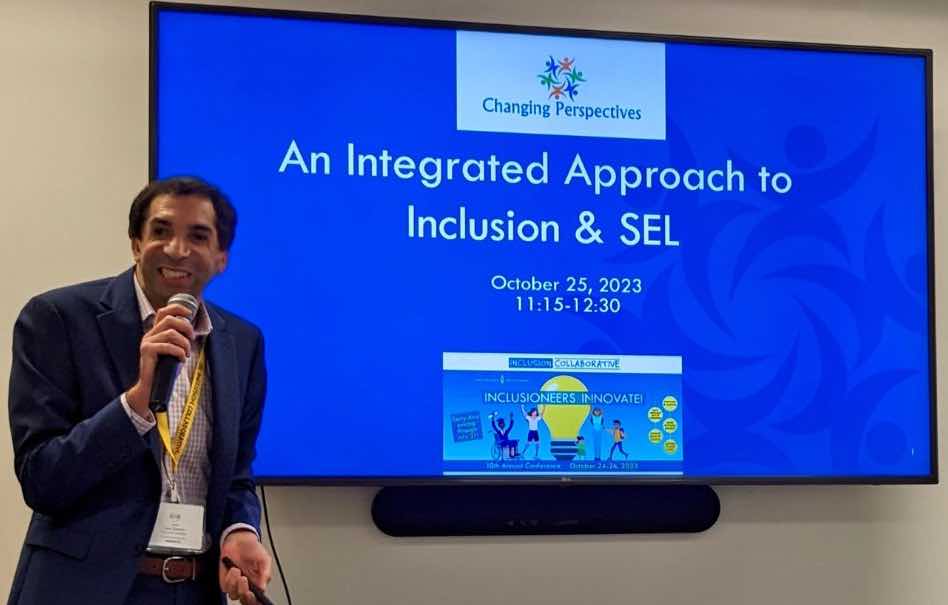
View ProjectAn Integrated Approach to Inclusion & Social-Emotional Learning
SEL and inclusion often function separately, yet integrating them creates stronger, more supportive learning communities. This workshop explores their connection, offering strategies to align these practices for maximum impact. Participants will examine how an integrated approach enhances student well-being, fosters belonging, and strengthens school culture. By embedding inclusive and SEL-driven practices into daily routines, educators will gain practical tools to create equitable learning environments that promote growth, resilience, and a sense of community for all students.
View ProjectConnecting the Dots of UDL
Universal Design for Learning (UDL) provides a powerful framework for meeting diverse learner needs and fostering inclusion. This workshop explores UDL’s core principles, such as multiple means of representation, action, and expression, and connects them to inclusive practices. Participants will gain practical strategies for creating flexible learning environments that address student variability. By embracing UDL, educators will leave with actionable ideas to ensure every student has equitable access to learning opportunities.
View ProjectAll Means All: Supporting Student Independence
Helping students develop independence is essential for their long-term success. This workshop explores strategies that foster self-advocacy, including peer-mediated interventions, self-advocacy skill-building, and fading prompting. Participants will learn how to balance support with opportunities for independence while addressing individual student needs. By equipping students with self-advocacy skills, educators will empower them to navigate challenges, communicate effectively, and build the confidence needed to succeed academically, socially, and beyond the classroom.
View ProjectEmpathy Interviews: A Strategy for Inclusion
Empathy interviews offer a powerful way to understand students’ lived experiences and better support their academic and social-emotional needs. This workshop introduces practical models for conducting empathy interviews, guiding educators through preparation, implementation, and reflection. Participants will explore how these interviews strengthen relationships, uncover barriers, and enhance inclusion efforts. By integrating empathy interviews into their practice, educators will create more equitable, student- centered learning environments that provide structured time and space for student voice and agency.
View ProjectThe presentations at staff meetings have been a huge value of working with Changing Perspectives.
I appreciate the professional development and the training for our support staff. I would recommend that.
Changing Perspectives is a 501(c)(3) tax-exempt nonprofit organization registered in the US under EIN 46-3115902
Changing Perspectives
P.O. Box 710
Montpelier, VT 05601
P.O. Box 340664
Sacramento, CA 95834