Create Equitable, Empathetic, and Inclusive Learning Environments
with our grade-level, standards-aligned disability awareness curriculum resources for PK-12 students
Discover the Power of Tailored Learning
Available through our online Educator Portal, our flexible curriculum is not a one-size-fits-all approach. Instead, it empowers educators to thoughtfully assemble content from an extensive range of resources tailored to help students gain knowledge and understanding about disabilities. With an annual subscription to the Educator Portal, educators gain access to a standards-aligned disability awareness curriculum designed to meet the diverse needs of students across all grade levels.
Our Curriculum
Each subscription to the Changing Perspectives Educator Portal grants full access to all content across every grade level, providing a wide range of instructional materials and resources to support all levels of instruction.
Elementary
- 180+ Plans (25-45 minute duration)
- 170+ Book Discussions
- 90+ Video Discussions
- Family Resources
- Educator Resources
Middle School
- 80+ Lesson Plans (25-45 minute duration)
- 50+ Book Discussions
- 60+ Video Discussions
- Family Resources
- Educator Resources
High School
- 40+ Lessons (30 minute duration)
- 50+ Book Recommendations
- 10+ Call To Action Project Ideas & Resources
- 10+Activities to Spark Discussion (15 minute duration)
- Educator Resources
Disability Awareness Lesson Directory
| Grade | Disability | Lesson Title | Description |
|---|---|---|---|
| K-2 | Cognitive-Differences | Down Syndrome: Meet Isabelle | Students will explore common attributes between themselves and people with Down syndrome and learn about strategies for interacting with people with Down syndrome. |
| K-2 | Visual-Impairments | Guiding the Blind | Students will learn about various types of assistance for people with visual impairments. |
| K-2 | Hearing-Loss-Deafness | Many Ways of Hearing | Students will learn that hearing loss is different for everyone and identify ways to make communication easier for people who hear differently. |
| K-2 | Physical-Disabilities | Mobility Aids in Action | Students will learn about various mobility aids and how they can ensure people with physical disabilities are able to move around safely and confidently. |
| K-2 | Speech-Language-Disabilities | Pho-No-Log-Ic | Students will learn that some people have difficulty understanding all the sounds in spoken language and they will try to understand what that might feel like. |
| K-2 | Physical-Disabilities | We All Move Differently | Students will learn that everyone’s body works differently and some people need assistance to get around. |
| K-2 | Speech-Language-Disabilities | Dysnomia, RAN, and Word Finding | Students will learn about dysnomia and about how some people have trouble finding the right words. |
| K-2 | Speech-Language-Disabilities | Voice Disorders | Students gain a greater awareness and understanding of voice disorders. |
| K-2 | Learning-Disabilities | Understanding Dyscalculia | Students will learn what dyscalculia is and how it makes learning math more difficult. |
| K-2 | Speech-Language-Disabilities | Charades | Students will learn that they can communicate with and without words |
| K-2 | Cognitive-Differences | Concussion Challenges | Students will understand some of the challenges associated with brain injuries. |
| K-2 | Physical-Disabilities | Fine Motor Skills Challenges | Students will learn what fine motor skills are and how they affect individuals who live with them. |
| K-2 | Social-Emotional-Impairments | Emoji Emotions | Students will draw emoji to connect feelings to statements regarding emotions. |
| K-2 | Speech-Language-Disabilities | AAC Devices Introduction | Students will learn what AAC devices are and how people use them. |
| K-2 | Autism-Spectrum | We All Fit Together Friendship Quilt | Students will learn about some of the different ways autistic peers may communicate and identify strategies for including all peers. |
| K-2 | Visual-Impairments | Navigating Vision Loss | Students will envision the world as a person with vision and without. |
| K-2 | Hearing-Loss-Deafness | Inclusive Communication | Students will learn simple ways to help everyone feel included when communicating. |
| K-2 | Hearing-Loss-Deafness | Communication Helpers | Students will learn that people use different tools and strategies to communicate and that every way of communicating is valuable. |
| K-2 | Speech-Language-Disabilities | Communication Challenges Telephone Game | Students will learn the similarities and differences between expressive and receptive language disorders. |
| K-2 | Cognitive-Differences | Understanding Cognitive Disabilities | Students will evaluate and reflect on their own learning through a survey about cognitive disabilities. |
| K-2 | Cognitive-Differences | Protecting Our Brains | Students will learn about concussions and the importance of protecting their brains. |
| K-2 | Hearing-Loss-Deafness | Feeling Sound | Students will learn that people can experience sound in different ways, including by feeling vibrations. |
| K-2 | Visual-Impairments | Picture in Your Mind | Students will use detailed language to construct verbal “pictures.” |
| K-2 | Social-Emotional-Impairments | Emotions Portraits | Students will create self-portraits to connect colors to feelings and identify a strategy that helps them self-regulate. |
| K-2 | Physical-Disabilities | Playground Accessibility Analysis | Students will learn about creating physical accessibility on a playground. |
| K-2 | Social-Emotional-Impairments | OCD Is More Than Just a Worry | Students will learn what obsessive compulsive order is, how it is different from regular worrying, and some strategies for dealing with worry. |
| K-2 | Learning-Disabilities | We All Learn Differently | Students will explore how we all learn things in our own way. |
| K-2 | Speech-Language-Disabilities | Articulation Disorders | Students will gain a greater awareness and understanding about articulation disorders. |
| K-2 | Visual-Impairments | Sense of Sight Game | Students will use their sense of sight to name an object in a picture and then to find the object in the classroom. |
| K-2 | Visual-Impairments | Seeing Safe Spaces | Students will assess the safety and accessibility of various locations for a person with a visual impairment or blindness. |
| K-2 | Social-Emotional-Impairments | Let's Learn About Anxiety | Students will learn about what anxiety is, how it affects individuals differently, and how to rate their own worries on a numerical scale. |
| K-2 | Speech-Language-Disabilities | How Assistive Technology Gives a Voice | Students will learn about speech/language disorders and the technology that can help people with speech/language disorders. |
| K-2 | Speech-Language-Disabilities | What Is Stuttering? | Students will gain a greater awareness and understanding about fluency disorders. |
| K-2 | Visual-Impairments | Needing Glasses | Students will learn about why some people need glasses to help them see more clearly and how someone might feel about getting glasses. |
| K-2 | Visual-Impairments | Braille Exploration | Students will learn that braille is a tactile, written language that people who are blind or visually impaired can use to read. |
| K-2 | Cognitive-Differences | When Some Students Need Extra Support | Students will understand that people with cognitive disabilities sometimes need extra support and it is fair to give them what they need. |
| K-2 | Autism-Spectrum | To Help You Understand Autism | Students will learn about how someone with autism may experience sensory information and make connections to times they may have experienced similar feelings. |
| K-2 | Social-Emotional-Impairments | Supporting Friends | Students will brainstorm ways to be a supportive friend. |
| K-2 | Cognitive-Differences | What Is Down Syndrome? | Students will learn what Down syndrome is and explore attributes they share with people who have Down syndrome. |
| K-2 | Speech-Language-Disabilities | Expanded Thoughts | Students will learn about language delays and how to expand ideas when they are communicating so they can be understood better. |
| K-2 | Speech-Language-Disabilities | How Can I Say | Students will experience what it is like to have an immobilized tongue that impacts their speech and will come up with strategies to help someone with this disability. |
| K-2 | Social-Emotional-Impairments | How We Feel Circles | Students will identify their own feelings that they have brought to the circle and value the feelings of others in their circle. |
| K-2 | Speech-Language-Disabilities | A Loss For Words | Students will experience what it is like to have to communicate without using their voices. |
| K-2 | Social-Emotional-Impairments | My Colorful Emotions | Students will learn that we all have emotions and that we can associate our feelings with colors as way to help make sense of them. |
| K-2 | Autism-Spectrum | Autism Introduction | Students will be introduced to autism and understand that it is okay for people to be different. |
| K-2 | Hearing-Loss-Deafness | We All Learn at Different Rates | Students will understand that although we all learn at different rates, we can all learn new things and grow. |
| K-2 | Physical-Disabilities | Sports For Everyone | Students will learn about how people with physical disabilities play sports. |
| K-2 | Learning-Disabilities | Dyslexia Introduction | Students will learn that dyslexia is a learning difference that makes it harder for people to learn letters and to read. |
| K-2 | Learning-Disabilities | How the Brain Works | Students will learn that different parts of the brain are responsible for different types of learning and will reflect on their own strengths and weakness as learners. |
| K-2 | Learning-Disabilities | Story About Dyslexia | Students will learn about the challenges that people with dyslexia face by thinking about their own challenges and how they can develop skills to help manage them. |
| K-2 | Autism-Spectrum | Circles of Emotion | Students will gain a better understanding of autism by exploring emotions and learning that people may respond differently even to the same situations. |
| K-2 | Speech-Language-Disabilities | Break It Down | Students will learn that not everyone is able to understand spoken instructions at the same speed or with the same accuracy. |
| K-2 | Speech-Language-Disabilities | When It's Hard To Be Understood or To Understand | Students will understand the difficulties of having a speech impairment. |
| K-2 | Autism-Spectrum | Wordless Picture Book | Students will understand how nonverbal language connects to emotion words, and therefore the characters’ different feelings, plausible thoughts, and actions. |
| K-2 | Visual-Impairments | Sense of Sight | Students will understand what we use our eyes for and will be able to use their sense of sight to notice objects and details around them. |
| K-2 | Hearing-Loss-Deafness | Our Ears at Work | Students will learn how hearing works and that people hear and communicate in different ways. |
| K-2 | Speech-Language-Disabilities | Write the Room | Students will learn the written names of various objects around their classroom for quick recall when speaking or writing. |
| K-2 | Social-Emotional-Impairments | Vision Board Circles | Students will explore what makes them unique and why our diverse qualities and experiences are valuable. |
| K-2 | Social-Emotional-Impairments | What Is Selective Mutism? | Students will gain an awareness and understanding of selective mutism. |
| K-2 | Social-Emotional-Impairments | Reading Facial Expressions | Students will learn about how facial expressions help us recognize how others are feeling. |
| K-2 | Speech-Language-Disabilities | A Story Without A Letter | Students will create a story as a class, but then reread the story omitting any words with the letter “N” to simulate a speech disability. |
| K-2 | Social-Emotional-Impairments | Body Language Clues | Students will learn that body language plays a significant role in how we interact with others, but that some people have difficulty reading body language, which makes it hard for them to make friends. |
| 3-5 | Speech-Language-Disabilities | Let's Learn About Language Challenges | Students will learn about the similarities and differences between expressive and receptive language disorders. |
| 3-5 | Hearing-Loss-Deafness | Keeping Our Hearing Safe | Students will understand how sound is measured and learn about ways to protect their hearing. |
| 3-5 | Social-Emotional-Impairments | Social Circles | By creating a diagram of their own social network, students will gain understanding about why community connections are important. |
| 3-5 | Hearing-Loss-Deafness | Signing Our Names | Students will learn that sign language is used by some people to communicate and will learn how to fingerspell their names using the American Sign Language alphabet. |
| 3-5 | Autism-Spectrum | Autism Introduction | Students will learn about how autistic people may react differently to sensory experiences in their environments. |
| 3-5 | Learning-Disabilities | How the Brain Works | Students will learn that different parts of the brain are responsible for different types of learning and will reflect on their own strengths and weakness as learners. |
| 3-5 | Visual-Impairments | Braille Exploration | Students will learn that braille is a tactile, written language that people who are blind or visually impaired can use to read. |
| 3-5 | Speech-Language-Disabilities | How Assistive Technology Helps | Students will gain a greater awareness and understanding about fluency disorders and the technology that can help those who have fluency disorders. |
| 3-5 | Physical-Disabilities | What Is a Physical Disability? | Students will gain an understanding about several physical disabilities. |
| 3-5 | Learning-Disabilities | Learning Timelines | Students will explore how we all learn things in our own way. |
| 3-5 | Autism-Spectrum | We All Fit Together Friendship Quilt | Students will learn about some of the different ways autistic peers may communicate and identify strategies for including all peers. |
| 3-5 | Social-Emotional-Impairments | Depression Is More Than Feeling Blue | Students will learn about the difference between feeling sad and having depression, and will explore ways to support themselves or classmates who have depression. |
| 3-5 | Speech-Language-Disabilities | Match the Room | Students will learn the written names of various objects around their classroom for quick recall when speaking or writing. |
| 3-5 | Autism-Spectrum | Invisible vs Visible Differences | Students will identify invisible and visible differences. |
| 3-5 | Autism-Spectrum | Autism: Experiencing the World Differently | Students will understand that individuals may react differently even in similar situations. |
| 3-5 | Visual-Impairments | Designing for Vision | Students will assess the safety and accessibility of various locations in the school for a person with a visual impairment or blindness. |
| 3-5 | Speech-Language-Disabilities | Break It Down | Students will learn to give step by step directions using the aid of written, drawn, and spoken words. |
| 3-5 | Physical-Disabilities | Challenging Assumptions | Students will understand how and why to challenge assumptions about the capabilities of individuals with physical disabilities. |
| 3-5 | Speech-Language-Disabilities | AAC Devices Introduction | Students will learn what AAC devices are and how people use them. |
| 3-5 | Autism-Spectrum | Social Connections Scavenger Hunt | Students will learn about how social interactions may be challenging for some autistic people and engage in a social skill-building activity. |
| 3-5 | Visual-Impairments | How Our Eyes Work | Students will learn about the structure of the eye and how the eye works. |
| 3-5 | Speech-Language-Disabilities | Cognitive and Processing Disorders | Students will gain an awareness and understanding about cognitive and processing disorders and how they affect communication. |
| 3-5 | Speech-Language-Disabilities | Navigating Speech Impairments | Students will envision the world as a person with a speech impairment. |
| 3-5 | Physical-Disabilities | ADA Scavenger Hunt | Students will evaluate how accessible their school is for people who have physical disabilities. |
| 3-5 | Social-Emotional-Impairments | Vision Board Circles | Students will explore what makes them unique and why our diverse qualities and experiences are valuable. |
| 3-5 | Visual-Impairments | Common Visual Impairments | Students will learn about some of the common types of visual impairments. |
| 3-5 | Hearing-Loss-Deafness | What Did You Say? Communication Challenge | Students will learn about communication challenges people who have hearing loss sometimes face. |
| 3-5 | Physical-Disabilities | Learning About the Americans with Disabilities Act | Students will learn how to define a physical disability and understand how the Americans with Disabilities Act provides accessibility for individuals with disabilities under the law. |
| 3-5 | Speech-Language-Disabilities | Voice Disorders | Students gain a greater awareness and understanding of voice disorders. |
| 3-5 | Visual-Impairments | Braille Around the School | Students will make their school more accessible to people who have visual impairments. |
| 3-5 | Visual-Impairments | Guiding the Blind | Students will learn about various types of assistance for people with visual impairments. |
| 3-5 | Social-Emotional-Impairments | Supporting Friends with Anxiety | Students will be able to identify strategies for supporting peers who have anxiety. |
| 3-5 | Cognitive-Differences | Intellectual Disabilities Introduction | Students learn about facts and myths surrounding intellectual disabilities. |
| 3-5 | Cognitive-Differences | What’s Missing? | Students will gain awareness and empathy for people who have cognitive disabilities. |
| 3-5 | Visual-Impairments | What’s the Meaning of This? | Students will practice using common prefixes, roots, and suffixes to define visual impairment terms. |
| 3-5 | Social-Emotional-Impairments | What Is Selective Mutism? | Students will gain an awareness and understanding of selective mutism. |
| 3-5 | Cognitive-Differences | Down Syndrome Introduction | Students will understand what Down syndrome is and that people with Down syndrome are similar to them in many ways. |
| 3-5 | Social-Emotional-Impairments | Living With Anxiety | Students will learn how anxiety can affect all facets of someone’s life. |
| 3-5 | Social-Emotional-Impairments | Emotions Portraits | Students will create self-portraits to connect colors to feelings and identify a strategy that helps them self-regulate. |
| 3-5 | Speech-Language-Disabilities | Understanding Childhood Apraxia of Speech | Students will learn what childhood apraxia is and what it means for those who have it. |
| 3-5 | Social-Emotional-Impairments | Recognizing Triggers | Students will identify their own triggers and coping strategies. |
| 3-5 | Speech-Language-Disabilities | When It's Hard To Be Understood or To Understand | Students will understand the difficulties of having a speech impairment. |
| 3-5 | Visual-Impairments | Famous People with Visual Impairments | Students will learn about famous individuals with visual impairments and understand that a visual impairment is not a barrier to success. |
| 3-5 | Speech-Language-Disabilities | Stuttering Challenges | Students will gain awareness about stuttering as a speech impairment and learn how they can support peers who stutter. |
| 3-5 | Cognitive-Differences | Drawing To Make Conclusions | Students will develop awareness of cogni4ve disabili4es by engaging in a challenging communica4on exercise. |
| 3-5 | Social-Emotional-Impairments | Anxiety and the Brain-Body Connection | Students will be able to identify the connection between our brains and behaviors during an anxiety response |
| 3-5 | Visual-Impairments | Help Me See | Students will explore assistive technologies for visual impairments. |
| 3-5 | Social-Emotional-Impairments | What Are You Saying? | Students will learn about how our behaviors are part of how we communicate our needs and wants to others. |
| 3-5 | Speech-Language-Disabilities | Articulation Disorders | Students will gain a greater awareness and understanding about articulation disorders. |
| 3-5 | Hearing-Loss-Deafness | How We Hear | Students will learn about the anatomy of the human ear to understand how hearing works. |
| 3-5 | Speech-Language-Disabilities | Causes and Effects of Speech Impediments | Students will consider cause and effect using the relationship between behaviors and feelings. |
| 6-8 | Visual-Impairments | How Our Eyes Work | Students will learn about the structure of the eye and how it works. |
| 6-8 | Visual-Impairments | Visual Impairment Obstacle Course | |
| 6-8 | Visual-Impairments | Famous People with Visual Impairments | Students will learn about famous individuals with visual impairments and understand that a visual impairment is not a barrier to success. |
| 6-8 | Speech-Language-Disabilities | Let’s Learn About Language Challenges | Students will learn about the similarities and differences between expressive and receptive language disorders. |
| 6-8 | Physical-Disabilities | Inclusive & Adaptive Sports | Students will learn about the difference between inclusive and adaptive sports and how each benefits people with physical disabilities |
| 6-8 | Learning-Disabilities | Dyscalculia in the World | Students will gain awareness of the challenges that a person with dyscalculia faces when trying to do everyday tasks. |
| 6-8 | Social-Emotional-Impairments | Depression Is More Than Feeling Blue | Students will learn about the difference between feeling sad and depression and will explore ways to support themselves or classmates who have depression. |
| 6-8 | Learning-Disabilities | Learn About Your School’s Resources | Students will learn about their school’s learning disability resources by conducting short interviews with learning disability specialists. |
| 6-8 | Cognitive-Differences | Drawing By Directions | Students will develop awareness of cognitive disabilities and the challenges that some people with cognitive disabilities face with communication. |
| 6-8 | Cognitive-Differences | Learning at Different Paces | Students will develop awareness about intellectual disabilities and think about ways they can show empathy to a peer who has cognitive delays. |
| 6-8 | Social-Emotional-Impairments | What Is Selective Mutism? | Students will gain an awareness and understanding of selective mutism. |
| 6-8 | Cognitive-Differences | Drawing to Make Conclusions | Students will develop awareness of intellectual disabilities and think about ways to show empathy toward peers who have cognitive differences. |
| 6-8 | Social-Emotional-Impairments | Anxiety and the Brain-Body Connection | Students will be able to identify the connection between our brains and behaviors during an anxiety response |
| 6-8 | Autism-Spectrum | ADHD KWL | Students will learn that ADHD is a learning difference. |
| 6-8 | Physical-Disabilities | Americans with Disabilities Act Overview | Students will learn what the Americans with Disabilities Act is and connect the law to real-world examples. |
| 6-8 | Social-Emotional-Impairments | Supporting Friends With Anxiety | Students will be able to identify strategies for supporting peers who have anxiety. |
| 6-8 | Learning-Disabilities | How the Brain Works | Students will learn that different parts of the brain are responsible for different types of learning and will reflect on their own strengths and weaknesses as learners. |
| 6-8 | Speech-Language-Disabilities | Stuttering Challenges | Students will gain awareness about stuttering as a speech impairment and how they can support peers who stutter. |
| 6-8 | Autism-Spectrum | Autism: Experiencing the World Differently | Students will understand that individuals may react differently even in similar situations. |
| 6-8 | Autism-Spectrum | Visual Perspective-Taking | Students will learn about visual perspective to begin making connections to conceptual perspective. |
| 6-8 | Physical-Disabilities | Talk To Me | Students will learn that people with disabilities want to be spoken to and interacted with directly to have regular conversations. |
| 6-8 | Physical-Disabilities | Adaptive and Inclusive Sports | Students will research and participate in inclusive and adaptive sports programs. |
| 6-8 | Learning-Disabilities | Success with ADHD | Students will learn that there are many people diagnosed with ADHD who experience success. |
| 6-8 | Speech-Language-Disabilities | Researching Language Disabilities | Students will research and report about language disabilities and ways to support people who have them. |
| 6-8 | Visual-Impairments | Chuck Close - Paralyzed Artist | |
| 6-8 | Learning-Disabilities | ADHD Superpower | Students will learn that people with ADHD have strengths because of the way their brains works. |
| 6-8 | Cognitive-Differences | Tell Me About TBIs | Students will gain an understanding of trauma2c brain injuries (TBIs). |
| 6-8 | Social-Emotional-Impairments | Don’t Act Out – Act It Out! | Students will learn about and practice self-regulation skills. |
| 6-8 | Learning-Disabilities | Dyslexia Introduction | Students will learn that dyslexia is a learning difference that makes it harder for people to read. |
| 6-8 | Speech-Language-Disabilities | AAC Devices Introduction | Students will learn what AAC devices are and how people use them. |
| 6-8 | Physical-Disabilities | ADA Scavenger Hunt | Students will assess how their school is accessible to people with physical disabilities. |
| 6-8 | Autism-Spectrum | Autism: Experiencing the World Differently | Students will understand that individuals may react differently even in similar situations. |
| 6-8 | Cognitive-Differences | What Is Down Syndrome? | Students will understand what Down syndrome is and what causes it. |
| 6-8 | Physical-Disabilities | Objectifying People with Disabilities | Students will learn about why it is essential to not objectify individuals with disabilities. |
| 6-8 | Physical-Disabilities | Designing for Inclusion | Students will design a space that is inclusive for individuals with physical disabilities. |
| 6-8 | Learning-Disabilities | Dyslexia in the World | Students will gain awareness of the challenges that a person with dyslexia faces when trying to do everyday tasks. |
| 6-8 | Hearing-Loss-Deafness | Hearing Health Sleuths | Students will understand the importance of ear protection to prevent hearing loss. |
| 6-8 | Learning-Disabilities | Famous People with Learning Disabilities | Students will learn about famous individuals with learning disabilities and see that learning disabilities are not barriers to success. |
| 6-8 | Social-Emotional-Impairments | Figuring Out Stress | Students will learn to differentiate between good and bad stress and increase awareness around stress management. |
| 6-8 | Cognitive-Differences | Welcoming Letters | Students will create welcoming letters for students and families. |
| 6-8 | Physical-Disabilities | The Brain-Body Connection | Students will learn how the brain sends messages through the nervous system to create movement as a foundation for understanding physical disabilities. |
| 6-8 | Autism-Spectrum | Autism Introduction | Students will learn about how autistic people may react differently to sensory experiences in their environments. |
| 6-8 | Social-Emotional-Impairments | OCD Is More Than Being Tidy | Students will be able to discuss what it means to have obsessive compulsive disorder and the difference between having OCD and being a person who is neat and orderly. |
| 6-8 | Social-Emotional-Impairments | But What Can I Do? | Students will learn signs of depression and the supports available to help themselves or others. |
| 6-8 | Visual-Impairments | Braille Around the School | Students will make their school more accessible to people who have visual impairments. |
| 6-8 | Autism-Spectrum | Sharing Experiences with Individuals Who Live with Autism | Students will learn some of autism’s common traits and how these traits may influence their interactions with an autistic individual. |
| 6-8 | Speech-Language-Disabilities | Stuttering Stories | Students will write letters or stories about stuttering and how to be supportive. |
| 6-8 | Social-Emotional-Impairments | Emotions Portraits | Students will create self-portraits to connect colors to feelings and identify a strategy that helps them self-regulate. |
| 6-8 | Speech-Language-Disabilities | Understanding Childhood Apraxia of Speech | Students will learn what childhood apraxia is and what it means for those who have it. |
| 6-8 | Learning-Disabilities | Attention | Students will experience the implications of frequent distractions associated with ADD/ADHD |
| 6-8 | Autism-Spectrum | Attention | Students will experience the implications of frequent distractions associated with ADD/ADHD. |
| 6-8 | Speech-Language-Disabilities | What Are Speech Impairments? | Students will understand five types of speech disorders. |
| 6-8 | Learning-Disabilities | Dyscalculia in the World | Students will gain awareness of the challenges that a person with dyscalculia faces when trying to do everyday tasks. |
| 6-8 | Cognitive-Differences | Advocacy Letters | Students will learn about the concept of advocacy and will write letters to members of Congress to ask them to join the Congressional Task Force on Down Syndrome. |
| 6-8 | Learning-Disabilities | Dyslexia in the World | Students will gain awareness of the challenges that a person with dyslexia faces when trying to do everyday tasks. |
| 6-8 | Cognitive-Differences | Exploring Cognitive Disabilities | Students will build understanding and awareness of cognitive disabilities. |
| 6-8 | Physical-Disabilities | Plethora of Prosthetics | Students will learn about different types of prosthetics that can support individuals with limb loss. |
| 6-8 | Learning-Disabilities | Understanding Dyscalculia | Students will learn what dyscalculia is and how it makes learning math more difficult. |
| 6-8 | Cognitive-Differences | Exploring Cognitive Delays | Students will build awareness about cognitive delays and learn about how they can extend empathy to peers with cognitive delays. |
| 6-8 | Autism-Spectrum | Famous Autistic People | Students will learn about how autistic individuals can do exceptional things and about famous autistic people. |
| 6-8 | Visual-Impairments | Common Visual Impairments | Students will learn about several types of visual impairments. |
| 6-8 | Visual-Impairments | Braille Exploration | |
| 6-8 | Autism-Spectrum | Social Connections Scavenger Hunt | Students will learn about how social interactions may be challenging for some autistic people and engage in a social skill-building activity. |
| 6-8 | Autism-Spectrum | Chain of Friendship | Students will reflect on how we all learn from others and how we can all share our knowledge with others. |
| 6-8 | Speech-Language-Disabilities | Navigating Speech Impairments | Students will envision the world as a person with speech impairments. |
| 6-8 | Hearing-Loss-Deafness | Hearing Loss Facts & Misconceptions | Students will learn about facts and misconceptions surrounding hearing loss. |
| 6-8 | Learning-Disabilities | Designing for ADHD | Students will explore how schools can be more inclusive to all students. |
| 6-8 | Autism-Spectrum | ADHD Superpower | Students will learn that people with ADHD have strengths because of the way their brains works. |
| 6-8 | Visual-Impairments | What’s the Meaning of This? | Students will practice using common prefixes, roots, and suffixes to define visual impairment terms. |
| 6-8 | Introductory | Welcome Neighbors | Students will understand the difference between welcoming behaviors and unwelcoming behaviors and reflect on the value of inclusion. |
| 6-8 | Hearing-Loss-Deafness | Sound Effects | Students will learn how sound effects are created. |
| 6-8 | Social-Emotional-Impairments | What Are You Saying? | Students will learn about how our behaviors are part of how we communicate our needs and wants to others. |
| 6-8 | Physical-Disabilities | Keep Dreaming: Living With a Physical Disability | Students will learn about physical disabilities and how they can show empathy toward classmates with physical disabilities. |
| 6-8 | Physical-Disabilities | Physical Disabilities True & False | Students will learn what physical disabilities are and explore facts and myths about them. |
| 6-8 | Physical-Disabilities | A Physical Disability Doesn’t Mean You Can’t . . . | Students will gain awareness about physical disabilities and think about ways to have empathy for classmates with physical disabilities. |
| 6-8 | Autism-Spectrum | Autism Introduction | Students will learn about how autistic people may react differently to sensory experiences in their environments. |
| 6-8 | Autism-Spectrum | Invisible vs Visible Differences | Students will identify invisible and visible differences. |
| 6-8 | Introductory | Letter to Yourself | Students will reflect on their current biases, stereotypes, and perspectives about people with disabilities. |
| 6-8 | Hearing-Loss-Deafness | Good Communication Techniques | Students will understand that effective communication is a shared responsibility and identify strategies that make communication more accessible for people with hearing loss. |
| 6-8 | Hearing-Loss-Deafness | How We Hear | Students will understand how we hear and the two different types of hearing loss. |
| 6-8 | Cognitive-Differences | Welcoming Letters | Students will apply their learning about cognitive disabilities by writing welcome letters for students and families. |
| 6-8 | Visual-Impairments | See with Senses and Assistance | Students will build awareness about and empathy toward people with visual impairments. |
| 6-8 | Social-Emotional-Impairments | Managing Emotions | Students will learn and practice self-regulation techniques. |
| 6-8 | Cognitive-Differences | Dyspraxia and Memory | Students will gain an understanding of how dyspraxia can affect memory. |
| 6-8 | Introductory | Awareness and Respect | Students will learn the expectations for future class discussions. |
| 6-8 | Cognitive-Differences | Dyspraxia and Motor Difficulties | Students will gain a deeper understanding of motor difficulties associated with dyspraxia. |
| 6-8 | Cognitive-Differences | Let’s Learn About Down Syndrome | Students will learn about Down syndrome and the fact that people with Down syndrome have hopes, dreams and lives similar to students’ own hopes, dreams, and lives. |
| 6-8 | Introductory | Disability Brainstorm Web | Students will share what they know about disabilities. |
| 6-8 | Speech-Language-Disabilities | Cognitive and Processing Disorders | Students will gain an awareness and understanding about cognitive and processing disorders and how they affect communication. |
| 6-8 | Autism-Spectrum | Sharing Experiences with Autistic Individuals | Students will learn some of autism’s common traits and how these traits may influence their interactions with an autistic individual. |
| 6-8 | Cognitive-Differences | Down Syndrome Doesn’t Hold Me Down | Students will learn that people with Down syndrome have hopes, dreams, and lives similar to their own. |
| High School | Social-Emotional-Impairments | Exploring Social Anxiety | Students will explore and understand what it is like to have social anxiety. |
| High School | Language-and-History-Around-Disability | Redefining Disabled | Students will consider the language used to describe people who have disabilities. |
| High School | Famous-People-with-Disabilities | Bipolar Disorder Is Not a Joke | Students will learn about consider responses to and language about those with bipolar disorder. |
| High School | Disability-in-the-Media | Represent | Students will learn that there are powerful, immediate, and personal effects of disability representation in media. |
| High School | Learning-Disabilities | Can You Read This? | Students will learn about how some people with dyslexia experience reading. |
| High School | Mental-Health | Obsessive-Compulsive Disorder Overview | Students will understand OCD, the impact it has on the human brain, and the experiences of people who have it. |
| High School | Social-Emotional-Impairments | Thinking About Self-Regulation | Students will explore and understand why some people struggle with self-regulation. |
| High School | Assistive-Technology | Assistive Technology in School | Students will explore the role of assistive technology in a school setting. |
| High School | Hearing-and-Vision-Impairment | Hearing Loss Overview | Students will learn about various aspects of hearing loss. |
| High School | Introductory | Unpacking Empathy | Students will think more deeply about what empathy is and why it is an important life skill. |
| High School | Cognitive-Differences | What Is Dyspraxia? | Students will gain a basic understanding of dyspraxia. |
| High School | Social-Emotional-Impairments | Understanding Depression | Students will understand the difference between sadness and depression and learn about treatments for depression. |
| High School | Autism-Spectrum | Animals and Autism | Students will examine the connection between humans and animals and learn about how animals can provide therapeutic supports. |
| High School | Physical-Disabilities | Questions Narratives Around Disability | Students will explore why it is important to question cultural narratives around disability. |
| High School | Disability-in-the-Media | Media Stereotyping | Students will explore the portrayal of disability in the media. |
| High School | Hearing-and-Vision-Impairment | How We Hear | Students will learn about the process of hearing. |
| High School | Autism-Spectrum | Autism and Empathy | Students will understand how one woman with autism channeled her empathy into helping animals. |
| High School | Learning-Disabilities | Sensory Processing Disorder Overview | Students will understand what sensory processing disorder is and how it can affect learning and school experiences. |
| High School | Disability-in-the-Media | Importance of Media Visibility | Students will explore why it is important for people with disabilities to participate in and be represented in the media. |
| High School | Introductory | Invisible Disabilities | Students will gain an understanding of invisible disabilities. |
| High School | Cognitive-Differences | Down Syndrome Interview | Students will learn about how some individuals with Down syndrome experience the world. |
| High School | Famous-People-with-Disabilities | Make a Match | Students will learn about famous people with disabilities. |
| High School | Physical-Disabilities | Cerebral Palsy Overview | Students will gain an understanding of cerebral palsy. |
| High School | Disability-in-the-Media | Mixed-Bag Media | Students will explore how media representation of disability has and has not changed. |
| High School | Autism-Spectrum | No Cues | Students will understand the challenges someone with autism might have in reading nonverbal cues. |
| High School | Language-and-History-Around-Disability | Person-First Language | Students will learn about person-first language. |
| High School | Physical-Disabilities | Inclusive Design | Students will design a space that is inclusive for individuals with physical disabilities. |
| High School | Mental-Health | Youth Mental Health Care | Students will understand that caring for our mental health is important for everyone. |
| High School | Assistive-Technology | Best Tech for the Job | Students will become familiar with the range of assistive devices and their uses. |
| High School | Cognitive-Differences | Different Perspective on Down Syndrome | Students will increase their understanding of Down syndrome and how people with Down syndrome live within our society. |
| High School | Autism-Spectrum | Autism from Different Perspectives | Students will understand that people’s experiences of autism vary greatly. |
| High School | Mental-Health | Taking Care of Your Mental Health | Students will consider what they can do to develop and maintain positive mental health. |
| High School | Mental-Health | What Is Bipolar Disorder? | Students will become familiar with bipolar disorder and will consider how mental-health-specific language is often used inaccurately. |
| High School | Language-and-History-Around-Disability | Why the R-Word Is Not Okay | Students will consider the word “retarded” (“the R-word”) and understand how harmful it is. |
| High School | Famous-People-with-Disabilities | Famous Folks with Disabilities | Students will become familiar with a range of famous people who have disabilities. |
| High School | Hearing-and-Vision-Impairment | Living With Blindness | Students will learn about one person’s experience with blindness. |
| High School | Hearing-and-Vision-Impairment | Another Way of Seeing Blindness | Students will consider blindness from a new perspective. |
| High School | Learning-Disabilities | Low-Distraction Learning Spaces | Students will design a classroom to support students with attention challenges. |
| High School | Assistive-Technology | Learn About Wheelchairs | Students will explore different types of wheelchairs. |
| High School | Social-Emotional-Impairments | Past Experiences, Present Reactions | Students will consider others’ perspectives and how past experiences impact our reactions to situations. |
| High School | Language-and-History-Around-Disability | Diversabililty Movement | Students will learn about the origins and purpose of the diversability movement. |
| High School | Assistive-Technology | Assistive Technology Assessment | Students will understand what assistive technology is and how it is used in their classroom or school. |
| High School | Learning-Disabilities | Different Take on ADHD | Students will consider ADHD from a different perspective. |
| High School | Introductory | What Is Accessibility? | Students will explore how accessibility needs vary depending on an individual’s disability. |
| High School | Cognitive-Differences | Special Olympics History | Students will understand the history and role of the Special Olympics for people with intellectual disabilities. |
| High School | Famous-People-with-Disabilities | Hearing Loss in the Entertainment Industry | Students will learn about celebrities who have a hearing loss. |
| High School | Introductory | Two Models of Disability | Students will explore two main models used for thinking about disability. |
| High School | Physical-Disabilities | Understanding Muscular Dystrophy | Students will understand what muscular dystrophy is and will hear about individuals’ experiences with the disability. |
Curriculum Benefits
The Changing Perspectives Educator Portal provides educators with the flexibility and autonomy they need to address their students’ specific needs. Educators can access our curriculum resources anywhere, anytime, using our easy-to-navigate online portal.

Easy-to-Navigate
Online Portal
Our user-friendly online portal offers educators seamless access to curriculum resources from anywhere. Whether in the classroom, at home, or on the go, educators can effortlessly curate content that aligns with their teaching approach, ensuring that they can cater to their students’ needs. Access a wide range of curricular resources, family support materials, implementation guides, and more.
Standards-Aligned Curriculum
Our content is meticulously crafted to align with Common Core Standards and is organized within the eight specific disability categories to parallel with IDEA. Our commitment to adhering to these standards reflects our dedication to providing high-quality, impactful educational resources that promote disability awareness in students.
Expert-Crafted
Content
Our curriculum is thoughtfully curated by experts. We offer a wide range of lesson plans, reading materials, video resources, discussion prompts, and assessments to provide educators with the necessary resources for effective teaching across various age groups and subjects. Our team of professionals continually refine and tailor the content to remain at the forefront of educational best practices.
Easy-to-Navigate
Online Portal
Our user-friendly online portal offers educators seamless access to curriculum resources from anywhere. Whether in the classroom, at home, or on the go, educators can effortlessly curate content that aligns with their teaching approach, ensuring that they can cater to their students’ needs. Access a wide range of curricular resources, family support materials, implementation guides, and more.
Standards-Aligned Curriculum
Our content is meticulously crafted to align with Common Core Standards and is organized within the eight specific disability categories to parallel with IDEA. Our commitment to adhering to these standards reflects our dedication to providing high-quality, impactful educational resources that promote disability awareness in students.
Expert-Crafted
Content
Our curriculum is thoughtfully curated by experts. We offer a wide range of lesson plans, reading materials, video resources, discussion prompts, and assessments to provide educators with the necessary resources for effective teaching across various age groups and subjects. Our team of professionals continually refine and tailor the content to remain at the forefront of educational best practices.
Flexible for Diverse Teaching Styles
Designed for educators by educators, our customizable curriculum contains a pre-curated library of learning resources that provide educators with the flexibility and autonomy they need to address the specific needs of their students. Whether you prefer a project-based learning environment or small group activities, our content can be tailored to suit your instructional preferences.
Student-Centered
Learning
By allowing the curriculum to be assembled based on student needs, we empower educators to create a truly student-centered learning experience. This approach not only meets students where they are but also nurtures their social and emotional development. As a result, students are more engaged, motivated, and empowered to succeed in and out of the classroom.
Flexible for Diverse Teaching Styles
Designed for educators by educators, our customizable curriculum contains a pre-curated library of learning resources that provide educators with the flexibility and autonomy they need to address the specific needs of their students. Whether you prefer a project-based learning environment or small group activities, our content can be tailored to suit your instructional preferences.
Student-Centered
Learning
By allowing the curriculum to be assembled based on student needs, we empower educators to create a truly student-centered learning experience. This approach not only meets students where they are but also nurtures their social and emotional development. As a result, students are more engaged, motivated, and empowered to succeed in and out of the classroom.
Educator Portal Features
The Changing Perspectives Educator Portal provides educators with the flexibility and autonomy they need to address their students’ specific needs. Educators can access our curriculum resources anywhere, anytime, using our easy-to-navigate online portal.
Search Feature
Conduct thorough searches of the entire library using keywords to save time and quickly find the resources you need to support your students.
Planners
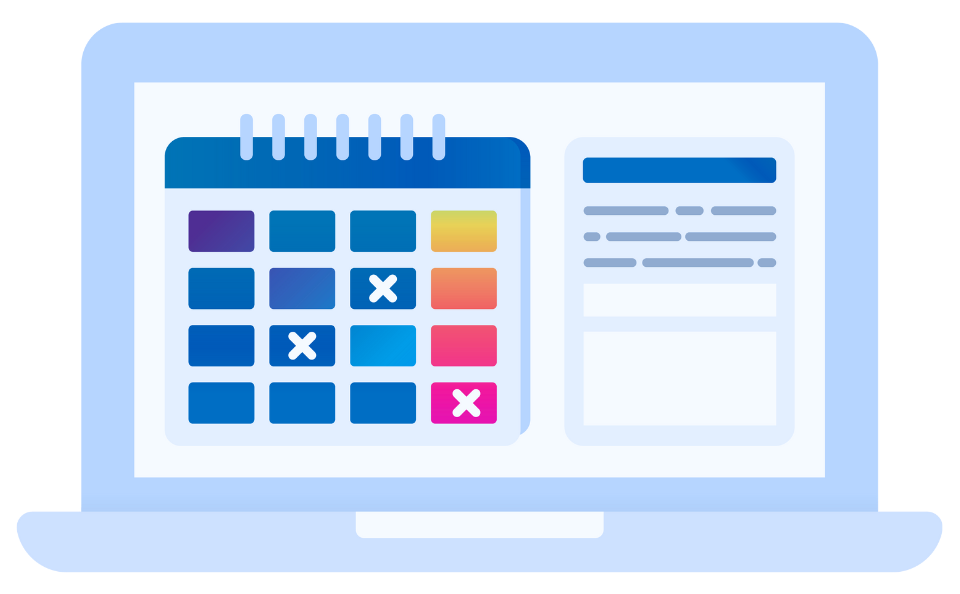
Generate an unlimited number of planners effortlessly using the intuitive drag-and-drop functionality. You can easily share planners and their contents with anyone, even if they do not have an active subscription.
Gradebooks
Unlimited gradebooks are accessible to monitor and analyze the progress of students. Gradebooks provide an array of diverse grading scales and customization options for teacher formative assessment of students.
Changing Perspectives is a nonprofit organization that partners with schools and school districts across the country to promote social-emotional learning and cultivate inclusive and equitable learning communities for all students.
Ready to Get Started?
Join 19,000+ educators worldwide to elevate your teaching and enrich your students’ learning journey!
With low-cost, up-front pricing, you can have the peace of mind that there are no hidden costs or additional fees. You never have to worry about unexpected expenses or extra charges to access the features you need.
INDIVIDUAL
$140.00/annually
- One-time fee for 365 days of full access to current and new resources for all grade levels
- Immediate access to all units, lesson plans, and resources
- Subscription does not automatically renew (you will receive a notification before your subscription expires)
- Year-round customer support
TEAM
Cost Based on Volume
- 2-5 Subscriptions: $135.00 each
- 6-14 Subscriptions: $130.00 each
- 15-25 Subscriptions: $125.00 each
- 26+ Subscriptions: $120.00 each
Everything under Individual
INDIVIDUAL
$140.00/annually
- One-time fee for 365 days of full access to current and new resources for all grade levels
- Immediate access to all units, lesson plans, and resources
- Subscription does not automatically renew (you will receive a notification before your subscription expires)
- Year-round customer support
TEAM
Cost Based on Volume
- 2-5 Subscriptions: $135.00 each
- 6-14 Subscriptions: $130.00 each
- 15-25 Subscriptions: $125.00 each
- 26+ Subscriptions: $120.00 each
Everything under Individual
What Educators Are Saying

Frequently Asked Questions
How do I access the curriculum?
What does the curriculum include?
Do students need individual accounts?
How long is my subscription valid for?
How frequently is the curriculum updated?
Does Changing Perspectives offer ongoing support?
Want to take a closer look?
Access sample content for each grade level and stay up to date with the latest news from Changing Perspectives!
By submitting this form, you agree to receive periodic updates from Changing Perspectives, along with important updates on our Educator Portal.
We do not sell your personal information. You may manage your subscription preferences from the footer link in emails.